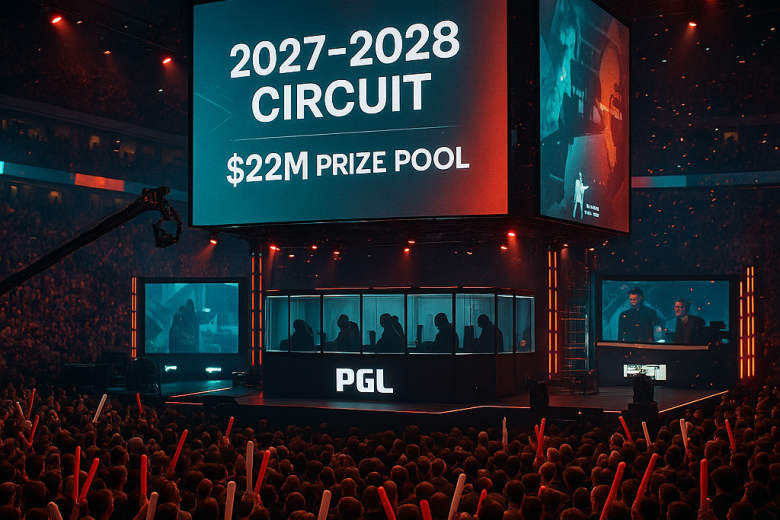
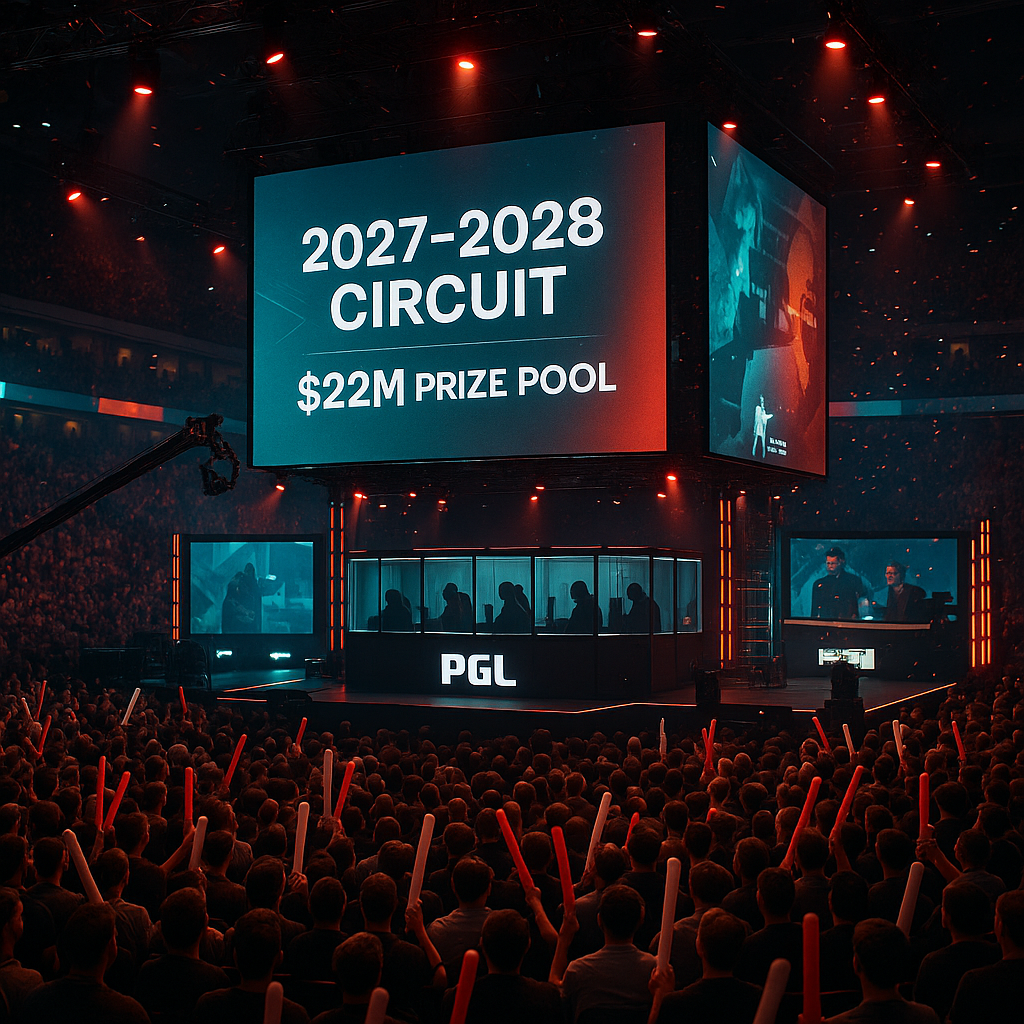
A PGL prometeu 22 milhões de dólares para o circuito de 2027 e 2028
When an event organizer publicly commits a significant sum to a multi-year competitive circuit, it naturally raises questions across the esports ecosystem. Teams, players, event partners and fans may wonder how such a commitment affects schedules, prize structures and long-term planning. This article outlines general implications and practical guidance without asserting unverifiable specifics beyond the announced pledge.
Introduction
A large funding promise for a multi-year circuit can signal ambition and long-term engagement from an organizer. For competitive scenes that rely on recurring events, financial commitments can influence how stakeholders plan resources and prioritize participation. Understanding typical areas of impact helps participants make informed decisions while avoiding assumptions about details that are not publicly documented.
Section 1: Competitive structure and calendar implications
One of the first areas affected by a major funding pledge is the competitive calendar. Organizers often align event timing to fit broader industry rhythms, balancing regional qualifiers, majors and off-seasons. A funding commitment may enable more consistent scheduling, but it does not automatically determine exact dates or formats.
For teams and players, predictable scheduling reduces conflicts with other commitments and supports better training cycles. For event planners, a multi-year resource allocation can allow for more robust logistics planning, venue contracts and staffing. Nevertheless, stakeholders should look for official calendars and contractual details to understand how the commitment translates into actual events.
Section 2: Prize distribution, support and competitive integrity
Financial commitments can broaden prize opportunities and allow for additional support mechanisms such as travel stipends, player subsidies or grassroots funding. However, the presence of funding alone does not prescribe how prize money is allocated across events or tiers. Distribution models vary by organizer and are typically set out in event terms.
Maintaining competitive integrity is a parallel concern. Clear regulations, transparent rulesets and impartial administration are essential when larger funds are at play. Participants benefit when organizers publish clear guidelines on eligibility, match administration and dispute resolution. Those engaging with a circuit should review official rulebooks and contractual obligations where available.
Section 3: Opportunities for growth and risks to consider
A sustained funding pledge can create opportunities for talent development, regional expansion and improved production values. Additional resources may support secondary tournaments, junior circuits and content initiatives that contribute to a healthier competitive ecosystem. Community-oriented investment often yields long-term benefits beyond headline events.
At the same time, commitments carry risks. Changes in market conditions, contractual disputes or shifts in strategic priorities can affect implementation. Stakeholders are advised to consider contingency plans and to verify the mechanisms by which funds will be delivered and managed. Where possible, seek clarity on governance, escrow arrangements or staged payments that reduce the risk of sudden changes.
Section 4: Sponsorship, partnerships and the broader ecosystem
Large funding announcements can attract sponsors and commercial partners, which may enhance production and broadcast quality. Partnerships can also create new revenue streams and marketing opportunities for teams and event hosts. Yet the involvement of commercial actors should be balanced with the needs of competitive integrity and fair access for participants.
Organizers, teams and leagues often negotiate partnerships that align with their strategic objectives. When assessing such developments, consider how sponsor obligations might influence scheduling, player commitments or content rights. Transparent agreements help ensure that commercial growth supports rather than conflicts with competitive priorities.
Conclusion
A high-profile pledge for a multi-year circuit can be a positive indicator for the stability and growth of an esports scene. It can enable better scheduling, increased support for participants and enhanced production value. However, the details of implementation matter greatly, and stakeholders should seek clear, documented terms that explain how funds will be allocated and managed.
Practical steps for teams and players include reviewing official announcements, understanding contractual terms and maintaining communication with organizers. Fans and community members can follow published calendars and rulebooks to understand how changes may affect event access and viewing opportunities. In all cases, a cautious and informed approach helps translate a funding pledge into sustainable benefits for the competitive ecosystem.