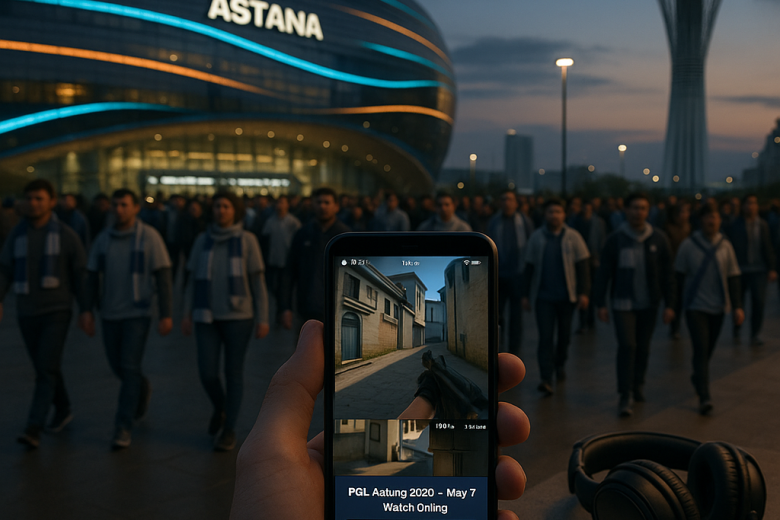
A PGL Astana 2026 será disputada entre 7 e 17 de maio
This article presents a balanced, evergreen overview of the PGL Astana 2026 event, which is scheduled to take place between 7 and 17 of May. The goal is to offer practical guidance for fans, players, and content producers on how to follow the event, what to expect from a major tournament format in general terms, and how teams commonly prepare in the lead up to high profile competitions.
Introduction to the event and its place in the CS2 calendar
Major tournaments are focal points in the competitive Counter-Strike 2 calendar. They bring together a selection of teams and players across regions and provide a concentrated period of matches and storylines for fans to follow. When an event is announced with specific dates, it allows everyone involved to plan travel, practice schedules, and content calendars around that window.
Understanding where a tournament sits in the season helps with expectations. Events that occur at similar times each year often follow patterns in preparation, broadcast setup, and community engagement. This article keeps to general guidance and avoids asserting unverifiable specifics beyond the stated scheduling window.
How fans can follow the tournament effectively
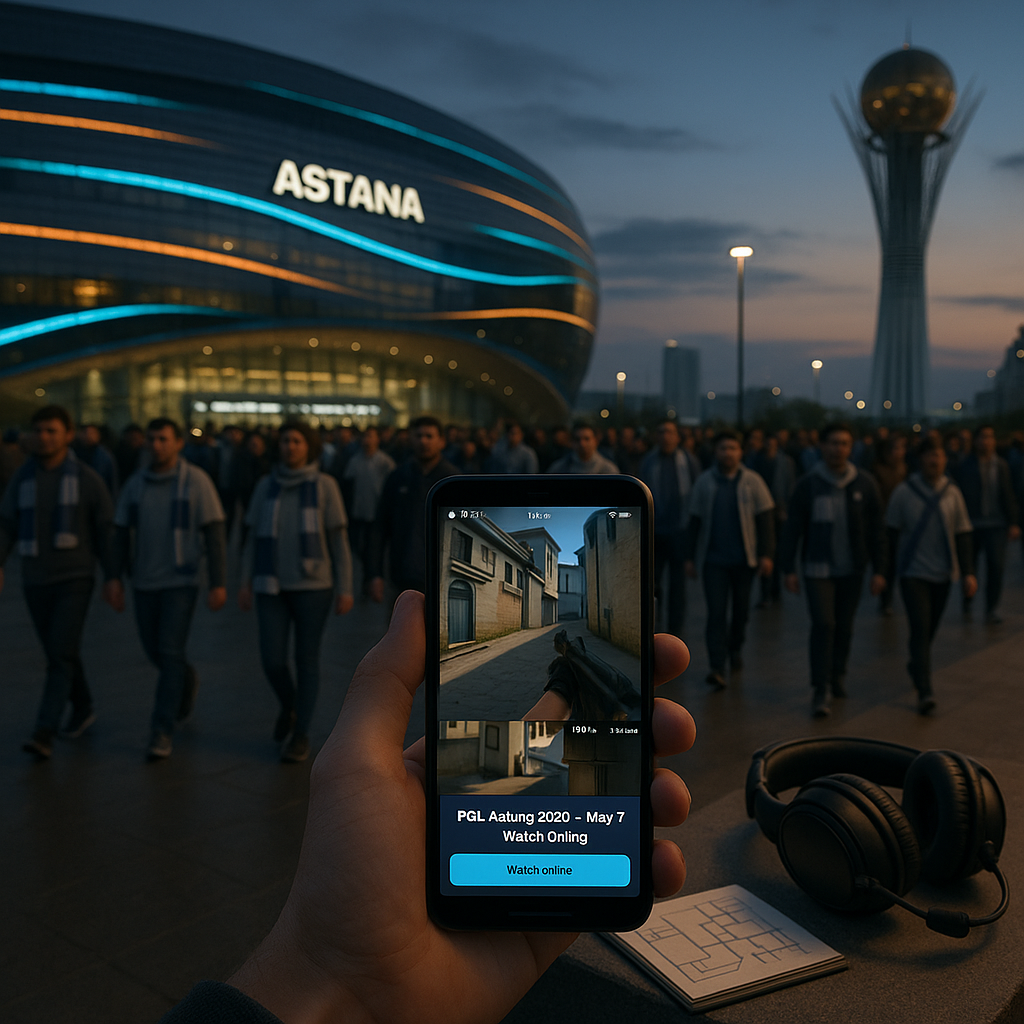
Fans who want to follow the PGL Astana 2026 can prepare in several practical ways. First, set up reliable viewing sources and check time zone differences early to avoid missing matches. Many followers also prepare watch parties or local meetups to share the viewing experience.
Organizing alerts or calendar entries for the dates between 7 and 17 of May ensures important matches are not missed. For those tracking particular teams or players, creating a simple list of priorities helps focus attention during the busiest parts of the event. Keeping an eye on official channels for schedule confirmations and broadcast details is recommended, while remembering that exact match lineups and broadcast times can shift as organizers finalize brackets.
What to expect from tournament format and coverage
Major CS2 tournaments typically include group stages followed by bracket play, though exact structures vary by organizer. Group stages give teams multiple matches to establish seeding, while playoff brackets decide the final standings in elimination series. The format influences how teams approach preparation, manage map pools, and allocate practice time.
Coverage tends to include live streams, post-match analysis, and highlight packages. For viewers interested in deeper analysis, following talent who produce breakdowns and strategy discussion can enhance understanding. Content creators often focus on map veto decisions, economy management, and individual plays that shape results.
How teams and players generally prepare
In the lead up to a major event, teams usually structure their practice schedule to balance scrimmages, map work, and tactical review. Physical and mental preparation is also part of a team routine, as consistent practice and recovery contribute to sustainable performance across a multi-day event.
Teams often refine their map pool and rehearse specific strategies while maintaining flexibility for opponent-specific adjustments. Communication drills and set-piece executions are common practice items. Travel logistics and acclimatization are additional considerations when a tournament requires relocation, and teams plan accordingly to ensure peak readiness during competition dates.
Impact on rankings and broader competitive context
Major events play a role in shaping competitive rankings and narratives within the scene. Strong performances at a well-attended event can influence perceptions of team strength, while recurring events create comparable milestones across seasons. Observers typically use tournament outcomes as one of several indicators when assessing teams, alongside other performances throughout the year.
It is useful to view any single event as part of a larger competitive trajectory. Rankings and reputations evolve over time, and consistent results across multiple events provide a clearer picture than isolated outcomes.
Conclusion
The PGL Astana 2026, scheduled between 7 and 17 of May, represents an important block of time for fans, players, and content creators. By planning viewing schedules, understanding general tournament structures, and appreciating the typical preparation routines of teams, observers can get more out of the experience. Maintaining a longer-term perspective on results and rankings helps place outcomes in context and supports a more informed engagement with the competitive Counter-Strike 2 scene.